Strength training is not only about looking better in the mirror - it is about building a body that keeps working well for years. When you combine strength, mobility, and recovery, you create a fitness routine that supports energy, confidence, and everyday movement. In this post, I will break down how to train for longevity in a simple, realistic way.
Why Strength for Longevity Matters
Most people start training with a short-term goal. Maybe you want to lose weight, build muscle, feel more confident, or finally become consistent. Those goals are useful, but there is a deeper reason to train: you want your body to stay strong, mobile, and capable as life goes on.
That is what strength for longevity is really about. It is not ego lifting or chasing the most extreme workout. It is building a foundation that helps you move better, recover better, and handle everyday life with more confidence.
A good longevity-focused routine usually helps with:
- Daily strength: normal activities like carrying groceries, climbing stairs, and moving furniture feel easier.
- Joint control: your body feels more stable through common movements.
- Better balance: you reduce awkward slips, stumbles, and poor movement habits.
- Long-term consistency: fitness feels sustainable instead of like a punishment.
The Three Pillars: Strength, Mobility, and Recovery
If you want a body that lasts, you need more than random workouts. The best approach is simple: train hard enough to improve, move well enough to stay comfortable, and recover well enough to keep going.
Strength builds muscle and teaches your body to produce force. Mobility helps you move through a useful range of motion with control. Recovery gives your body time to adapt, rebuild, and come back stronger.
When one of these is missing, progress usually suffers. Strength without mobility can feel stiff. Mobility without strength can feel unstable. Training without recovery can lead to burnout, low energy, and frustration.
The Best Movement Patterns to Train
You do not need a complicated plan to train for longevity. Most people can make great progress by repeating a few important movement patterns with good form.
- Squat pattern: goblet squats, bodyweight squats, leg press, or split squats.
- Hinge pattern: Romanian deadlifts, hip thrusts, kettlebell deadlifts, or glute bridges.
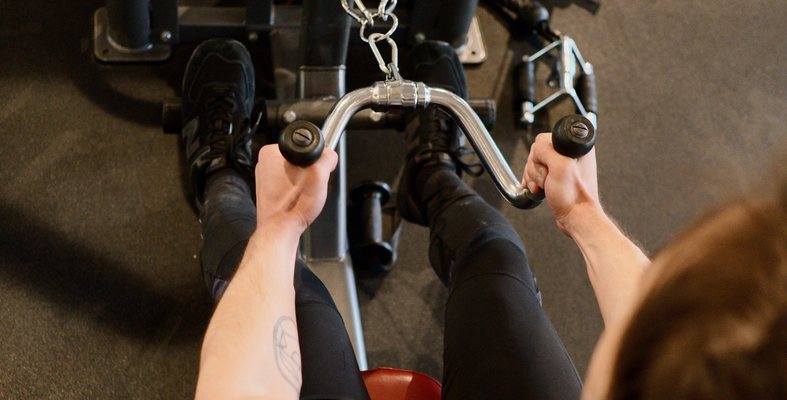
- Push and pull patterns: push-ups, chest press, cable rows, lat pulldowns, or dumbbell rows.
- Carry and core work: farmer carries, planks, dead bugs, and controlled anti-rotation exercises.
The point is not to collect as many exercises as possible. The point is to get better at the movements your body uses again and again.
How to Start Without Doing Too Much
One of the biggest mistakes beginners make is trying to change everything at once. Motivation is high in the first week, so they train too hard, get too sore, and then struggle to keep going.
A better approach is to start with two or three strength sessions per week. Add five to ten minutes of mobility before training, then use easy recovery days for walking, stretching, or relaxed movement. You should finish most workouts feeling challenged, but not destroyed.
Progress slowly by adding a little weight, a few reps, or better control over time. If you can repeat the routine next week, you are building something sustainable.
A Simple Full-Body Workout Example
Here is a simple session you can use as a starting point. Adjust the weights to your current level and focus on clean reps.
- Goblet squat: 3 sets of 8-12 reps.
- Dumbbell Romanian deadlift: 3 sets of 8-10 reps.
- Push-up or chest press: 2-3 sets of 8-12 reps.
- Cable row or dumbbell row: 2-3 sets of 10-12 reps.
- Farmer carry: 3 short carries with controlled posture.
This kind of workout trains the full body without needing fancy equipment or an overly complicated plan. After the workout, finish with a few minutes of hip, ankle, and upper-back mobility so your body cools down instead of locking up.
Recovery: The Part That Makes Progress Possible
Recovery is not laziness. Recovery is part of training. When you lift weights, you create a challenge for your body. When you sleep, eat well, hydrate, and manage stress, your body adapts to that challenge.
Pay attention to simple signs like energy, soreness, sleep, and motivation. Some soreness is normal, but constant soreness is a warning sign. If every workout feels like a battle, your plan may need an easier week.
Training for longevity means knowing when to push and when to back off. That balance is what helps you stay consistent for months and years, not just a few motivated weeks.
Common Mistakes to Avoid
Strength training for longevity is simple, but that does not mean people always do it well. The first mistake is doing too much too soon. Your muscles, joints, and recovery need time to adapt.
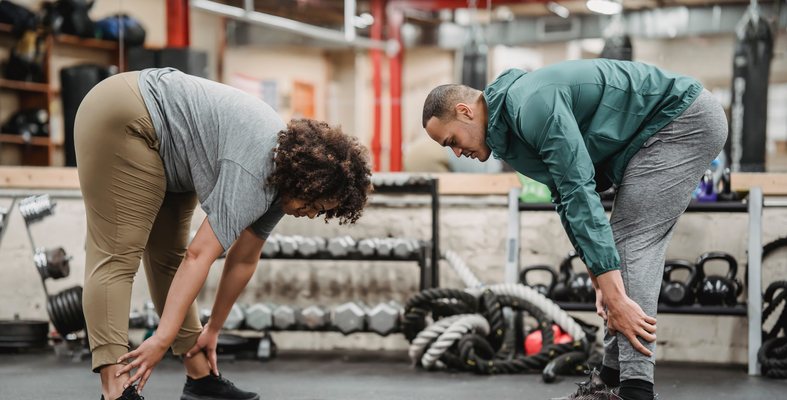
Another common mistake is skipping warm-ups because they feel boring. A few minutes of mobility can make your workout feel smoother and help you move with better control. Good technique also matters because it keeps the right muscles working and reduces unnecessary strain.
Finally, do not judge every workout by how sore you feel the next day. A workout does not need to crush you to be effective. Long-term progress is built on consistency, not punishment.
Conclusion
Strength for longevity is about building a body you can rely on. You are not only training for today's workout - you are training for your future energy, movement, and confidence.
Start simple. Lift consistently. Add mobility. Respect recovery. Over time, those small habits become real strength that carries over into everyday life.
Keep going - your future self will thank you.
FAQs
How many days per week should I strength train for longevity?
Most people can start with two to three strength sessions per week. That is enough to build muscle, improve movement, and create consistency without overwhelming recovery.
Is strength training for longevity only for older adults?
No. Training for longevity is useful at any age because it builds habits that protect your strength, mobility, and confidence over time. The earlier you start, the more time you have to build a strong foundation.
Do I need heavy weights to train for longevity?
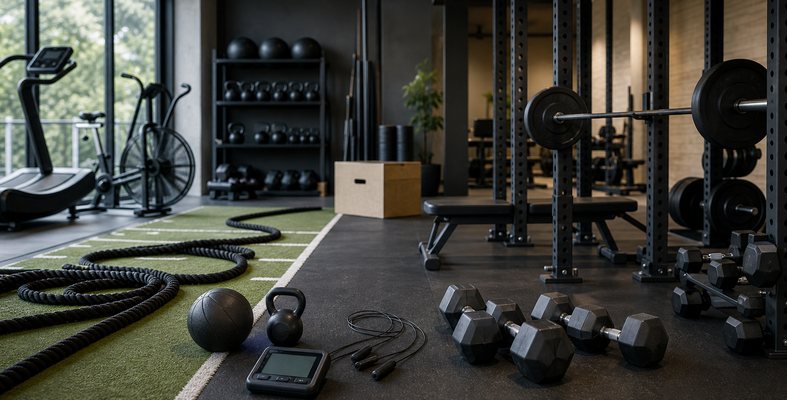
You do not need to lift extremely heavy weights. You need enough resistance to challenge your muscles while keeping good form. Dumbbells, machines, cables, kettlebells, and bodyweight exercises can all work.
Why is mobility important with strength training?
Mobility helps you use your strength through a comfortable range of motion. It can make exercises feel smoother, improve control, and help your body handle everyday movements better.
How do recovery days help with long-term fitness?
Recovery days give your body time to adapt after training. They help manage soreness, energy, sleep, and motivation so you can keep training consistently instead of burning out.