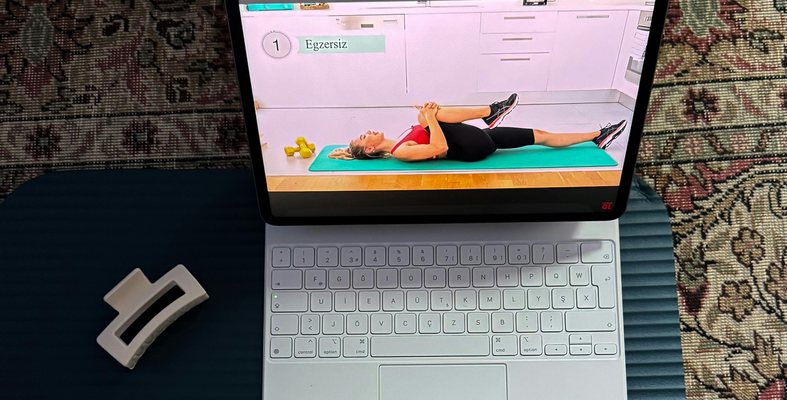
Low-Impact Workouts is a practical fitness topic because it connects directly to how people train, recover, and stay consistent in real life. If your goal is better health, stronger movement, and a routine you can keep, low impact workouts deserves a simple plan. In this post, I will explain how to use it without overcomplicating your fitness journey.
Why Low-Impact Workouts Matters
The fitness world is moving toward practical habits, not quick fixes. Current trends highlight strength training, wearable technology, active aging, recovery, mobility, and exercise for weight management. That makes low impact workouts a useful topic for anyone who wants results that last.
The real value is not only what happens during one workout. It is how the habit supports your energy, confidence, body composition, and daily movement over time. When your routine is built around training intensity with less pounding, training starts to feel more connected to real life.
A quote-ready way to think about it is this: fitness works best when it is specific enough to guide your actions and flexible enough to survive a busy week.
How to Apply It in Your Routine
Start by making the idea small enough to repeat. If you are working on low impact workouts, do not build a plan that requires perfect motivation every day. Choose a few actions you can actually follow, then improve them slowly.
Useful starting points include:
- Pick one main goal: connect your routine to joint-friendly fitness, not ten different goals at once.
- Track one useful signal: use workouts, energy, sleep, steps, or recovery as feedback.
- Repeat the basics: progress comes from doing simple things well for long enough.
- Adjust before you quit: if the plan feels too hard, reduce the dose instead of stopping completely.
A Simple Weekly Structure
A balanced week should include strength work, some form of cardio or daily movement, mobility, and recovery. You can adapt this based on your goal, but the structure below works well for many people who want training intensity with less pounding.
- Two to three strength sessions: focus on full-body movement patterns and controlled progress.
- Two easy movement days: walking, cycling, mobility, or light cardio can support recovery.
- One planning check-in: review what worked, what felt too hard, and what you will repeat next week.
This kind of routine is simple, but it is not lazy. It gives your body enough challenge to improve and enough recovery to keep going.
Common Mistakes to Avoid
The first mistake is chasing intensity before consistency. Hard workouts can feel productive, but they do not help if they leave you too sore, tired, or discouraged to train again. For low impact workouts, the goal is repeatable progress.
The second mistake is ignoring recovery. Sleep, hydration, protein, and easier days are not extras. They are part of the system that helps your body adapt.
The third mistake is comparing your routine to someone else's highlight reel. Your best plan should match your body, schedule, equipment, and current fitness level.
Practical Tips to Make It Work
- Keep the first version easy: a plan you can repeat beats a perfect plan you abandon.
- Use clear exercises: squats, hinges, pushes, pulls, carries, walking, and mobility cover a lot.
- Measure progress honestly: look at strength, energy, consistency, mood, and recovery.
- Build slowly: add reps, weight, time, or control only when the basics feel solid.
Conclusion
Low-Impact Workouts is not about chasing a perfect routine. It is about building a better relationship with training, recovery, and daily habits. When you keep the plan realistic, you give yourself a better chance to stay consistent.
Use low impact workouts as a guide, but remember that long-term fitness comes from the basics repeated well: movement, strength, nutrition, sleep, and patience.
Keep going - your future self will thank you.
FAQs
What is the main goal of low-impact workouts?
The main goal of low-impact workouts is to make your training more useful, repeatable, and realistic. It should help you improve joint friendly exercise while still supporting recovery and long-term consistency.
How should beginners start with low impact workouts?
Beginners should start with a simple version of low impact workouts: choose a few clear actions, repeat them for several weeks, and avoid changing everything at once. This makes progress easier to measure and easier to maintain.
How often should I work on low-impact workouts?
Most people can work on low-impact workouts two to four times per week, depending on the exercise type, training level, and recovery. The best schedule is the one you can repeat without feeling burned out.
What should I track when improving low impact workouts?
Track the signals that match the goal: workouts completed, effort level, strength progress, energy, sleep, soreness, or low impact strength training. You do not need to track everything to make smarter decisions.
What is the biggest mistake with low-impact workouts?
The biggest mistake is chasing intensity before consistency. Low-Impact Workouts works better when you build gradually, keep your form clean, and adjust the plan before it becomes too hard to repeat.