Functional Fitness Training is a practical fitness topic because it connects directly to how people train, recover, and stay consistent in real life. If your goal is better health, stronger movement, and a routine you can keep, functional fitness training deserves a simple plan. In this post, I will explain how to use it without overcomplicating your fitness journey.
Why Functional Fitness Training Matters
The fitness world is moving toward practical habits, not quick fixes. Current trends highlight strength training, wearable technology, active aging, recovery, mobility, and exercise for weight management. That makes functional fitness training a useful topic for anyone who wants results that last.
The real value is not only what happens during one workout. It is how the habit supports your energy, confidence, body composition, and daily movement over time. When your routine is built around training patterns that make daily movement easier, training starts to feel more connected to real life.
A quote-ready way to think about it is this: fitness works best when it is specific enough to guide your actions and flexible enough to survive a busy week.
How to Apply It in Your Routine
Start by making the idea small enough to repeat. If you are working on functional fitness training, do not build a plan that requires perfect motivation every day. Choose a few actions you can actually follow, then improve them slowly.
Useful starting points include:
- Pick one main goal: connect your routine to functional training, not ten different goals at once.
- Track one useful signal: use workouts, energy, sleep, steps, or recovery as feedback.
- Repeat the basics: progress comes from doing simple things well for long enough.
- Adjust before you quit: if the plan feels too hard, reduce the dose instead of stopping completely.
A Simple Weekly Structure
A balanced week should include strength work, some form of cardio or daily movement, mobility, and recovery. You can adapt this based on your goal, but the structure below works well for many people who want training patterns that make daily movement easier.
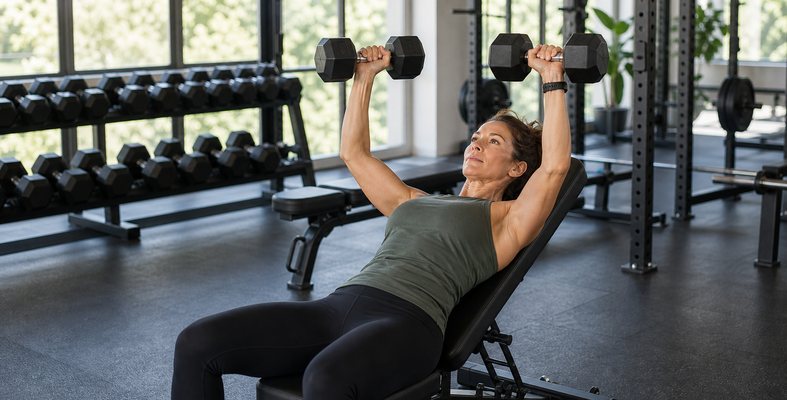
- Two to three strength sessions: focus on full-body movement patterns and controlled progress.
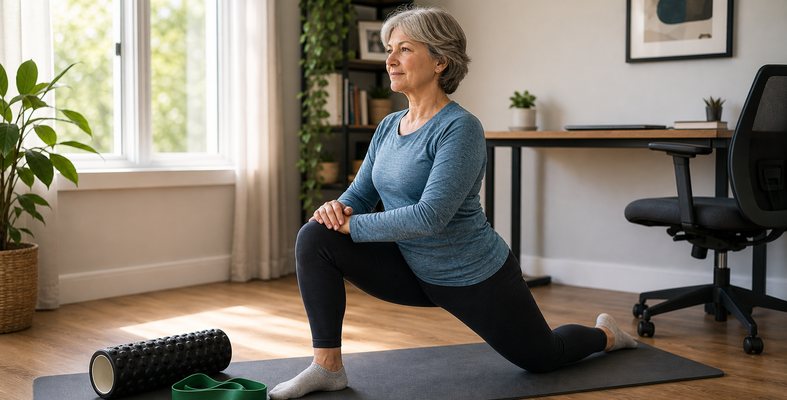
- Two easy movement days: walking, cycling, mobility, or light cardio can support recovery.
- One planning check-in: review what worked, what felt too hard, and what you will repeat next week.
This kind of routine is simple, but it is not lazy. It gives your body enough challenge to improve and enough recovery to keep going.
Common Mistakes to Avoid
The first mistake is chasing intensity before consistency. Hard workouts can feel productive, but they do not help if they leave you too sore, tired, or discouraged to train again. For functional fitness training, the goal is repeatable progress.
The second mistake is ignoring recovery. Sleep, hydration, protein, and easier days are not extras. They are part of the system that helps your body adapt.
The third mistake is comparing your routine to someone else's highlight reel. Your best plan should match your body, schedule, equipment, and current fitness level.
Practical Tips to Make It Work
- Keep the first version easy: a plan you can repeat beats a perfect plan you abandon.
- Use clear exercises: squats, hinges, pushes, pulls, carries, walking, and mobility cover a lot.
- Measure progress honestly: look at strength, energy, consistency, mood, and recovery.
- Build slowly: add reps, weight, time, or control only when the basics feel solid.
Conclusion
Functional Fitness Training is not about chasing a perfect routine. It is about building a better relationship with training, recovery, and daily habits. When you keep the plan realistic, you give yourself a better chance to stay consistent.
Use functional fitness training as a guide, but remember that long-term fitness comes from the basics repeated well: movement, strength, nutrition, sleep, and patience.
Keep going - your future self will thank you.
FAQs
What is functional fitness training?
Functional fitness training uses movements that carry over to real life, such as squats, hinges, pushes, pulls, carries, and core stability exercises.
Is functional fitness good for beginners?
Yes, functional fitness is good for beginners because it builds useful strength and coordination. The key is starting with simple movements and controlled technique.
What equipment is used for functional fitness?
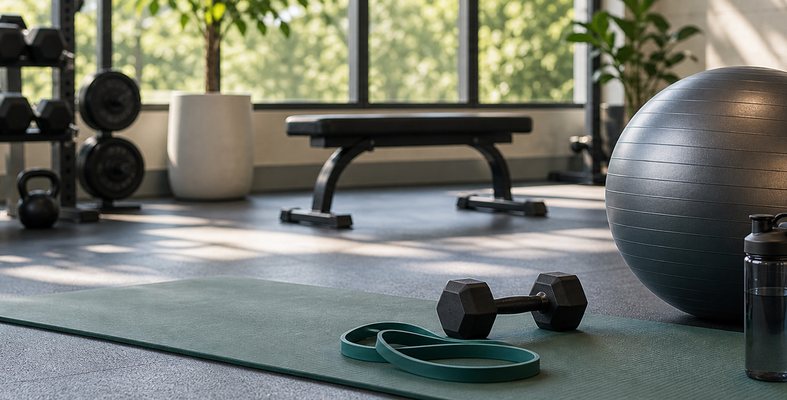
Common tools include kettlebells, dumbbells, sandbags, medicine balls, sleds, resistance bands, and bodyweight exercises. You do not need all of them to get results.
How often should I do functional fitness workouts?
Two to three sessions per week is enough for many people. You can combine functional exercises with traditional strength training and easy cardio.
What are the benefits of functional fitness?
Functional fitness can improve daily strength, balance, mobility, conditioning, and confidence. It helps your gym work feel useful outside the gym.